


| Google Playstore Books |  |
|
Amazon Books | |
Apple iTunes Books | |






Helpful Articles

-
Tried, Tested and Proven Side Hustle Ideas to Make Money - Free PDF Download
-
Ways to Make Money with Cryptocurrencies - Free PDF Download
-
WordPress Security Plugins: The Best Plugins to Secure Your WordPress Blogs
-
Financial Assistance from Wealthy Individuals - Free PDF Download
-
Unconventional and Weird Jobs that can Boost Your Income - Free PDF Download
-
How Nigerian Point of Sale (POS) Business Works and How to Make Money with it
-
Quick AI Tricks to Boost Your Online Income - Free PDF Download
-
Weird and Unusual Side Hustle Ideas to Make Extra Money - Free PDF Download
-
Exploring the Dark Side of Cryptocurrencies: Crypto Criminals and Scams

-
The Warren Buffett Way: Timeless Investment Lessons from a Legend
-
Unveiling Nigeria's Riches: A Comprehensive Guide to Solid Mineral Deposits Across the Nation
-
Exploring Nigeria Sukuk's Potential in Financing Nigeria's Oil and Gas Sector
-
Get Red Carpet Ready: A Sneak Peek into Celeb Workout Routines
-
Comprehensive Handbook for Constructing Lucrative Niche Blogs
-
Teaching Kids About Money: Biblical Financial Education for Children
-
Inspiring Testimonies of Debt Freedom Through Biblical Principles
-
The Divine 401(k): Biblical Perspectives on Retirement Planning
-
Biblical Approaches to Emergency Funds and Financial Preparedness: Proverbs, Parables, and Prudence
-
The Gospel of Wealth: A Biblical Perspective on Prosperity Gospel
-
Biblical Giving with a Cheerful Heart: The Art of Generosity and Gratitude
-
10 Inspiring Bible Verses About Money and Wealth: Divine Wisdom for Financial Success
-
The Story of Joseph: A Biblical Model for Financial Planning
-
Biblical Principles for Ethical Business Practices: Wisdom in the Boardroom and Beyond
-
Biblical Wisdom for Navigating Inflation: A Divine Guide to Financial Stability
-
Navigating Financial Hardships with Faith: A Rollercoaster Ride to Financial Resilience
-
The Biblical Rich Young Ruler: A Lesson on Wealth and Attachment
-
Financial Wisdom from the Life of Jesus Christ - The Anointed One
-
Inspiring Stories of Biblical Entrepreneurs: Masters of Divine Business
-
Biblical Investing: Cryptocurrency and Blockchain - A Divine Intersection of Faith and Finance
-
The Israelites' Journey to Financial Freedom: Lessons from Exodus
-
The Biblical Parable of the Hidden Treasure: Discovering Hidden Financial Opportunities
-
Biblical King Solomon's Solomonic Gems of Wisdom: Unearthing Ancient Insights with a Modern Twist
-
Investing Like King Solomon: Biblical Wisdom for Modern Investors
-
Prophetic Investments: A Look at Biblical Prophecies and Finance
-
Navigating Life's Financial Storms with Biblical Proverbs: A Lighthearted Guide to Financial Wisdom
-
God's Economy vs. the World's Economy: A Divine Comedy of Wealth and Worth
-
Trust in God, Not Wealth: A Hilarious Journey of Financial Enlightenment
-
Navigating Financial Storms with Faith: A Tale of Triumph and Turbulence
-
The Biblical Parable of the Good Samaritan: Compassion in Finance
-
Unveiling the Divine Currency: Biblical Money and the Sermon on the Mount
-
Walking in Financial Integrity: The Path to Prosperity with a Chuckle
-
Money and the Biblical Beatitudes: Blessed are the Poor in Spirit
-
Biblical Money Management for Seniors: A Divine Guide to Financial Wisdom
-
Biblical Counting of Blessings: Financial Accountability in the Christian Community
-
Biblical Wisdom for Real Estate Investment: Building Wealth with Divine Insights
-
Generational Wealth-Building According to the Bible: A Divine Financial Blueprint
-
The Parable of the Rich Man and Lazarus: A Warning About Priorities
-
Biblical Wisdom for Handling Windfalls and Bonuses: A Divine Guide to Managing Sudden Wealth
-
Biblical Investing Meets Green Technologies: Profits with a Divine Twist
-
Biblical Perspectives on Taxes and Giving to Caesar: Unraveling the Divine Tax Code
-
Financial Wisdom from the Biblical Psalms: How King David Managed His Coin Like a Pro
-
The Biblical Joseph Principle: Thriving in Economic Challenges
-
Biblical Wisdom for Wealth Preservation: A Divine Guide to Securing Your Treasure
-
Building a God-Centered Financial Legacy: Divine Dollars and Sense
-
The Biblical Rich Young Ruler: Lessons in Wealth and Sacrifice
-
Biblical Money Management for Singles: Navigating the Financial Exodus with Style and Grace
-
Biblical Principles for Wealth Transfer: Unleash Divine Prosperity with a Holy Twist
-
Financial Freedom and the Fruit of the Spirit: A Recipe for a Joyful Life
-
Transforming Urban Living: The Evolution of Smart Cities through Technological Innovation
-
Unveiling the Art of Travel Hacking: Wander the Globe on a Budget
-
The Fusion of Meditation and Mindfulness: A Pathway to Holistic Healing
-
The Symphony of Well-being: Exploring How Sound Shapes Our Mental and Physical Health
-
Unveiling the Ultimate Guide to Budget Travel: 10 Ingenious Ways to Explore the World Economically
-
Unveiling the Remarkable Health Advantages of a Whole Foods Diet
-
10 Nighttime Habits That Can Help You Lose Weight and Keep It Off
-
Unveiling the Future of Longevity: How Tech-Driven Biohacking is Paving the Way for Healthier Aging
-
Embracing the Remote Work Revolution: A New Outlook on Work-Life Balance and Productivity
-
Robotics in Healthcare: Transforming Medical Procedures and Elevating Patient Care
-
Exploring the Symbiosis of Neuroscience and Consumer Behavior for Marketers
-
Navigating the Complex Financial Landscape of Modern Parenthood
-
Niche Marketing: Harnessing Micro-Markets for Significant Business Growth
-
Unraveling the Riddle: Workout Wizardry for an Alluring Countenance
-
Hollywood's Relentless Pursuit of Fitness: Unveiling Insider Tips to Maintain Peak Shape
-
Unmasking the Unbelievable: Hollywood's Inferno-Inducing Cardio Quests
-
Embarking on a Transformational Journey: 10 Remarkable Strategies for Fat Loss
-
Camping with Kids: Creating Unforgettable Outdoor Family Adventures
-
Weight Loss: Cognitive Restructuring for Weight Loss: Changing Negative Thought Patterns
-
The Impact of Alcohol on Weight Loss: Finding Balance with Social Drinking
-
Celebrating Non-Scale Victories: Acknowledging Progress Beyond the Numbers
-
Ignite Your Inner Star Power: The Mesmerizing 30-Day Odyssey of Celebrity Workout Metamorphosis
-
Machine Learning and AI in Everyday Life: How Artificial Intelligence is Shaping Our World
-
Cracking the Code of AI Investment: Navigating Opportunities and Challenges
-
The Intersection of Genetics and Technology: A New Era of Healthcare Transformation
-
The Intersection of Finances and Mental Health: Unveiling the Intricate Connection
-
Mastering the Art of Nutritional Excellence for Vibrant Health
-
Parallel Universes and Multiverse Theories: Is There More Than One Reality?
-
Time Slips and Time Travel: Stories of Temporal Anomalies and Mysteries
-
The Science of Optical Illusions: How Your Brain Can Be Deceived
-
Ancient Alien Theories: Unearthly Visitors Throughout History
-
The Haunting Mystery of Spontaneous Human Combustion: Fact or Fiction?
-
Supernatural Encounters: First-Person Accounts of Ghostly Experiences

-
Bizarre Conspiracy Theories: Unraveling the Weirdest and Most Outlandish Claims
-
Bizarre Rituals and Rites of Passage: Celebrations that Defy Cultural Norms
-
The World of Extreme Body Modifications: From Tattooed Eyes to Forked Tongues
-
Amazing Guide to the Incredible Transformation of Our Future Bride From Size 20 to Size 10
-
The Power of Voodoo: Unveiling the Mysteries of This Unique Spiritual Practice
-
The Uncanny Valley: Navigating the Spooky Realm of Humanoid Robots
-
Phantom Time Hypothesis: The Controversial Theory of Missing Historical Years
-
Freakish Flora and Fauna: Unusual Plants and Animals with Strange Traits
-
The Bizarre World of Sleep Disorders: Exploring Unusual Sleep Behaviors
-
Strange Superstitions from Different Cultures: Beliefs that Defy Rationality
-
Eco-Friendly Finance: Nurturing Your Finances and the Planet Hand in Hand
-
Unveiling the Secrets to Aging Gracefully: Lifestyle Factors That Prolong Wellness and Longevity
-
Achieving Financial Fitness: A Holistic Approach to Managing Your Finances
-
The Rollercoaster Ride: Unraveling the Historical Evolution of Nigeria's Capital Market
-
The Nigerian Capital Market: Prospects for Legal Professionals
-
The Nigerian Capital Markets Odyssey: A Rollercoaster of Configurations and Varieties
-
Nigeria's Capital Market: The Uncharted Treasure Trove for International Investors
-
Taming the Wild West: Upholding the Rule of Law and Preventing Fraud in Nigeria's Capital Market
-
Unleashing Nigeria's Potential: The Nigeria Capital Market Advantage

-
Riding the Rollercoaster: Exploring the Thrills and Chills of the Nigerian Stock Market
-
Investors Selling Nigerian Stocks: Inflation's Fiery Tango with the Nigerian Naira
-
Navigating the Jungle: Fostering Sustainable Growth in the Nigerian Capital Market
-
Lathering Up the Drama: PZ Cussons' Nigerian Delisting Saga Unveiled
-
The Great GSK Exodus: Unpacking the Ripple Effect on Nigeria's Pharmaceutical Sector
-
Nigerian Experts Express Worries Regarding the Increasing Rate of Company Failures in Nigeria
-
Nigeria Considers Listing Dollar Assets to Alleviate Forex Challenges for Businesses
-
Nigeria's Naira Wild Ride: The Unpredictable Consequences of Nigeria's Exchange Rate Unification
-
Currency Shake-Up in Naija: How Foreign Exchange Reforms Could Supercharge Nigeria's Capital Inflows
-
Navigating the Nigerian Naira: How Nigeria's Stock Market Battles Foreign Exchange Limitations
-
Unleashing the Nigerian Tiger: Can Domestic Investors Turbocharge Nigeria's Stock Market?
-
Navigating the Wild Waters of Forex Trading in Nigeria: A Hilarious Guide to Getting Started
-
Nigeria Sukuk Bonds: A Tantalizing Alternative Funding Source for the Nigerian Government
-
Nigeria Sukuk Bonds: 5 Compelling Reasons to Consider Investment
-
Unraveling the Nigerian Capital Market: A Roller Coaster of Influence
-
GlaxoSmithKline (GSK) Exit from Nigeria After 51 Years: A Bittersweet Pill to Swallow
-
Are Nigerian Stock Market Stocks: A High-Risk, High-Reward Proposition?
-
Nigerian Stocks Skyrocket: Central Bank Chief's Exit Sets Nigerian Stock Market on Fire!
-
Trading Forex in Nigeria: A Comprehensive Step-by-Step Guide

-
Nigeria Set to Introduce Blockchain-Based Certificates for NYSC with Verification Capability
-
Unlocking Nigeria's Fixed Income Assets: A Hilarious Odyssey into Investment Opportunities
-
The Nigerian Stock Exchange: A Green and Sukuk Bonds Adventure
-
The Russia-Ukraine Invasion: Nigerian Stocks Poised to Benefit from Elevated Oil Prices
-
Nigerian Stocks: Tinubu's Triumph - The Unusual Culprit Behind Nigeria's Plummeting Stocks
-
Nigerian Stock Market Fireworks: The Unbelievable 400% Surge of 2023
-
The Power of Aromatics: Herbs and Spices That Transform Dishes
-
Healthy Food Swaps: Making Nutritious Choices Without Sacrificing Flavor
-
The Art of Food Plating: Turning Meals into Edible Masterpieces
-
Selling a Website: Maximizing Your Website's Profit Potential When Selling
-
The Future of Food: Trends in Food Technology and Innovation
-
The Surprising History of Food Delivery: From Horse-Drawn Carriages to Drones
-
Curious Medical Oddities: Rare Conditions and Unusual Medical Cases
-
Bizarre Cultural Beliefs: Traditions and Practices that Challenge Our Understanding
-
Mysteries of the Deep Sea: Unveiling the Strange Creatures of the Abyss
-
Mysterious Disappearances: Stories of People Who Vanished Without a Trace
-
The Myth of the Bermuda Triangle: Unraveling the Mystery of Vanishing Ships
-
Unexplained Sounds and Noises: Bizarre Audio Phenomena from Around the World
-
Eccentric Traditions from Around the World: Celebrating Cultural Oddities
-
The Sustainable Kitchen: Tips for Eco-Friendly Cooking and Dining
-
Artificial Intelligence in the Kitchen: How AI Is Revolutionizing Cooking
-
The Rise of Craft Beer: Exploring Microbreweries and Unique Brews
-
Culinary Travel: Experiencing Local Cuisine on Your Journeys
-
Secret Celebrity Siblings: The Surprising Bonds You Never Knew About
-
From Rivals to Best Friends: Unexpected Celebrity Friendships
-
Hollywood's Greatest Feuds: The Most Memorable Celebrity Clashes
-
Love Triangles and Quadrangles: Hollywood's Most Complicated Relationships
-
Divorce Drama: Exploring High-Profile Celebrity Breakups and Custody Battles
-
From Seeds to Sprouts: A Guide to Growing Your Own Microgreens
-
The Global Coffee Culture: A Journey Through Different Brews
-
The Renaissance of Ancient Grains: Rediscovering Nutrient-Rich Varieties
-
Exploring Food Traditions: A Culinary Tour of the Mediterranean
-
The Art of Cheese Pairing: Complementing Flavors and Textures
-
The Art of Food Gifts: Homemade Treats for Special Occasions
-
Eating for Longevity: Foods and Habits for a Healthier, Longer Life
-
Beyond the Margarita: Exploring the World of Craft Cocktails
-
Fusion Cuisine: Combining Culinary Traditions for Innovative Flavors
-
The Art of Food Pairing: Creating Harmonious Flavor Combinations
-
Investing in Algae Farming: A New Frontier for Nutrient Production

-
The Obi-dient Movement is a political initiative active within Nigeria
-
The Role of Cooperatives in Agricultural Investment and Development
-
Investing in Beekeeping: Supporting Pollinators and Agriculture
-
The Moral Dilemma of AI-Driven Autonomous Vehicles: Who Should Decide Who Lives or Dies?
-
Unmasking AI Bias: Uncovering Hidden Prejudices in Machine Learning Algorithms
-
The 15-Minute Workout Routine That's More Effective Than an Hour at the Gym
-
Keto vs. Plant-Based: Which Diet Works Best for Weight Loss and Longevity?
-
The Science of Cheat Days: Why Indulging Can Boost Your Weight Loss Journey
-
The Truth About Sugar: Debunking Common Myths and Finding a Healthy Balance
-
From Couch Potato to Fitness Junkie: A Realistic Guide to Starting Your Fitness Journey
-
The Role of Gut Health in Weight Management: How Your Microbiome Affects Your Body
-
Secrets from A-List Trainers: How Celebrities Sculpt Their Bodies
-
Celebrity Workout Trends That Are Taking Over the Fitness World
-
Cracking the Stock Market: Tips for Novices to Make Informed Investments
-
Digital Wallets and the Future of Payments: How Tech is Changing Spending
-
Unconventional Investments: Exploring Alternative Ways to Grow Your Money
-
Kids and Cash: Teaching Children about Money Management from an Early Age
-
Homeownership Myths: Debunking Common Misconceptions About Buying Property
-
People Perish for Lack of Knowledge": Exploring the Profound Impact of Ignorance on Human Lives
-
Amazon's Three-Book Limit: Navigating AI-Related Apprehensions in Self-Publishing
-
The Emotional Side of Estate Planning: Leaving More Than Assets
-
Trusts Unveiled: Building a Strong Financial Foundation for Heirs
-
Estate Planning for Blended Families: Navigating Complex Relationships
-
DIY vs. Professional Estate Planning: Which Path Is Right for You?
-
Healthcare Directives and Estate Planning: Ensuring Your Medical Wishes
-
Estate Planning for Small Business Owners: Protecting Your Business and Family
-
Adolescent unexpectedly amasses a fortune, stumbling upon GBP 8.9 million in a bank account
-
Estate Planning for Parents: Securing Your Children's Future
-
Avoiding Family Conflicts: Clear Communication in Estate Planning
-
Estate Planning Checklist: Steps to Create a Comprehensive Plan
-
A doctor who weighed 24 stone successfully shed 132 pounds by following Fast 800 diet program
-
Unveiling the Longevity-Boosting Exercise Regimen: Insights from Centenarians
-
25 Simple Bed Exercises to Kickstart Your Energetic and Healthier Mornings
-
Lab-grown chicken from Israel receives kosher certification in the United States
-
Health Specialist Identifies Dietary Change That Enhances Brain Function within Weeks
-
Navigating a Bear Market: Strategies to Protect and Grow Your Investments
-
Economic Indicators for Investors: Key Signals to Watch in the Stock Market
-
The size of your waist may impact your susceptibility to heart disease
-
Proven and Tested: Top Fitbits for Enhanced Health and Fitness
-
Health expert enumerates the 'lasting advantages' of engaging in exercise prior to having breakfast
-
Elevate Your Workout: Fantastic Full-Body Exercises Using Staircases
-
Enhancing Mental Wellness: The Impact of Fitness Apps on Your Mind
-
Accelerate Your Fat Loss Journey with These Simple Techniques
-
Empowering Wellness: Embracing Exercise in Middle and Later Life for Women
-
Slow Down Your Breath and Pedal Faster: Tips for Conserving Energy by Optimizing Your Breathing
-
The Innovative Approach to Wheelchair Fitness is Gaining Immense Popularity across the Globe
-
Beyond Traditional Fitness: Unveiling the Benefits of Backward Walking
-
The World's Most Expensive Dog Breeds: A Comprehensive Guide
-
Driving Innovation: UK's GBP100 Million Initiative for Global Leadership in AI Chip Manufacturing
-
Eliminate Acne Forever: Powerful Tips and Techniques to Effectively Combatting Acne for Good
-
Exploring Vocal Media Alternatives: Diversifying Your Content Platforms
-
The Robinhood Effect: How Commission-Free Trading Is Changing Investing
-
From Rags to Riches: Inspiring Stories of Legendary Investors
-
Protecting Your Pet's Future: Incorporating Pets into Your Estate Plan
-
Investing in Disruptive Technologies: Betting on the Next Big Thing
-
Pandemic Money Moves: How COVID-19 Changed Financial Planning
-
Women and Wealth: Empowering Financial Strategies for the Modern Woman
-
Hacking Your Sleep for Weight Loss: How Prioritizing Sleep Can Shrink Your Waistline
-
SuperFoods or Super Hype? Separating Fact from Fiction in the World of Nutrition
-
Investing in the Green Economy: Profiting from Sustainable and Ethical Choices
-
Private Military Contractors in Nigeria: Balancing Security and Accountability
-
Getting Rid Of Acne Quickly and Permanently: A Comprehensive Guide
-
Making Money Online by Watching Advertisements: A Comprehensive Guide
-
Exploring a Hypothetical Scenario: Californium in Borno State, Nigeria
-
Secure Your Legacy: A Comprehensive Guide to Estate Planning Essentials

-
Unleash Your Potential: A Deep Dive into Smart Exercise Bikes
-
From Couch to 5K: Exploring Treadmill Innovations for Home Workouts
-
Precision Cardio: Tracking and Optimizing Workouts with Smart Jump Ropes
-
Under the Sea: Aquatic Fitness Equipment for Low-Impact Workouts
-
Train Like a Star: 5 Hollywood Workouts That Deliver Real Results
-
The Role of Life Insurance in Estate Planning: Financial Security for Loved Ones
-
Estate Planning Mistakes to Avoid: Protecting Your Loved Ones
-
Fitness Tech Revolution: Exploring the Latest Gadgets and Apps to Boost Your Workouts
-
Money and Marriage: Strategies for Handling Finances as a Couple
-
The GameStop Frenzy: Lessons Learned from the Reddit Revolution
-
The FIRE Movement: Achieving Financial Independence and Retiring Early
-
Crypto Craze: The Risks and Rewards of Investing in Cryptocurrencies
-
The Art of Negotiation: How to Save Money on Everything You Buy
-
Credit Card Rewards 101: Maximizing Points for Free Travel and Cashback
-
The Rise of Robo-Advisors: Automating Your Investments for Better Returns
-
Value Investing vs. Growth Investing: Which Strategy is Right for You?

-
Hidden Costs of Everyday Life: How to Save Money Without Sacrificing Happiness
-
10 Common Mistakes Beginners Make in Cryptocurrency Investing (and How to Avoid Them)
-
Decentralized Finance (DeFi): The Future of Financial Services
-
Crypto Regulations: Navigating the Legal Landscape for Investors
-
The Rise of Central Bank Digital Currencies (CBDCs) and Their Implications
-
5 Personal Finance Apps That Will Transform the Way You Manage Money
-
Crypto Lending and Borrowing: Earn Passive Income with Your Assets

-
The Environmental Impact of Cryptocurrency Mining: Fact vs. Fiction
-
The Intersection of Gaming and Cryptocurrencies: How Blockchain Is Changing Gaming
-
The Truth About Weight Loss Supplements: Do They Really Work?
-
Intermittent Fasting: The Revolutionary Weight Loss Method Explained
-
The Science-Backed 7-Day Weight Loss Challenge: Lose Pounds Fast!
-
The Ultimate Guide to Gym Workouts: Achieve Your Fitness Goals in 25 Chapters
-
Importance of Muscle Building for Overall Health and Fitness
-
Ultimate Guide to Bodybuilders' Gym Workout: A 25-Chapter Comprehensive Plan
-
Breaking Through Plateaus: How to Keep Losing Weight When You're Stuck
-
Crypto Market Analysis: Lessons from Past Bull and Bear Cycles
-
Cryptocurrency and Gaming: How In-Game Tokens are Changing the Industry
-
The Future of Non-Fungible Tokens (NFTs): Applications and Use Cases
-
Top Crypto News Websites and Influencers to Follow for Real Time Updates
-
Crypto in the Real Estate Market: Buying Property with Digital Assets
-
The Role of Stablecoins in Cross-Border Remittances and Payments
-
Crypto Market Manipulation: Spotting the Signs and Protecting Your Investments
-
Crypto Staking: Earning Passive Income with Proof of Stake Coins
-
Cryptocurrency and Philanthropy: How Blockchain is Changing Charity
-
The Ultimate Guide to Wedding Planning: From Dreams to Reality
-
Travel Hacks: 25 Tips to Make Your Journey Smoother and More Enjoyable
-
The Ultimate Guide to Bodybuilding Diet: Fueling Your Gains for Success
-
Guide to Business Opportunities in the Fish and Seafood Farming Industry
-
How to Build a Sustainable and Lucrative Solar Farm Business in the Renewable Energy Sector
-
25 Online Skills You Can Learn to Enhance Your Life and Career
-
Essential Guide on How to Start a Self-Defense Driving School
-
Step by Step Process of Setting Up and Operating Your Own Identity Theft Protection Agency
-
Comprehensive Guide on How to Start Breeding and Selling of Security Dogs for Business
-
Essential Steps to Start and Succeed in the Food Truck Business

-
Haulage and Logistics Business in Nigeria: Quick Start Guide
-
How to Start and Run Your own Recording Studio: A Comprehensive Guide
-
Essential Steps to Start and Run a Successful Car Wash Business
-
The Essential Steps to Start and Run a Successful Security Camera Installation Business
-
A Comprehensive Guide to Starting a Fruit and Vegetable Retail Store Business
-
The Easiest Guide on How to Start a Poultry and Egg Supply Business in Nigeria
-
Step by Step Guide on How to Start an Internet Radio Business
-
Step by Step Guide to Starting a Successful and Sustainable Mosquito Control Business
-
Step by Step Guide to Starting a Profitable Tomato Processing Business
-
Essential Steps to Start and Run a Successful Gourmet Business
-
Step by Step Guide to Starting a Profitable Music Production and Recording Business
-
The Business of Fitness: 25 Chapters Exploring the Dynamic Fitness Industry
-
How to Become an Astronaut: 25 Essential Steps to Reach for the Stars
-
How to Start Importation Business from United States of America (USA) to Nigeria
-
Awesome Guide on How to Become a Health IT Nursing Informatics Specialist
-
Complete Guide on How to Become a Firearms Training Instructor
-
Innoson Vehicle Manufacturing and Its Impact on Nigeria's Economy
-
Diaspora Remittances and How It's Affecting Nigeria's Economy
-
Gold and Other Mineral Resources: The Hidden Treasure in Zamfara State, Nigeria
-
Food as a Weapon of War: A Comprehensive Analysis of Military Tactics
-
Start and Grow Your own Successful School Uniform Sewing Business
-
Surprising Guide on How to Start a Computer Training Center Business
-
Essential Steps to Start a Successful Sunglasses Store Business
-
Comprehensive Guide on Starting a Welding and Fabrication Business
-
Comprehensive Guide on Starting a Medical Transcription Business
-
How to Start a Sneaker Store Business: A Comprehensive Guide

-
Comprehensive Guide on How to Make Money from Electronics Scrap
-
Quick Guide to Business Opportunities in the Mental Health Industry
-
25 Effective Ways to Lose Belly Fat and Achieve a Trim Waistline
-
Fuel or Petrol Subsidy: Money Making Opportunities in Nigeria
-
How to Start and Make Money in Motor Spare Parts Business in Nigeria
-
The Amazing Amazon Fresh and How "The Just Walk Out" Technology Works
-
How to Start a Successful Okrika (Used Products) Business in Nigeria
-
Comprehensive Guide on How to Build a Successful Buy To Let Empire Business
-
Complete Guide on How to Start a Successful CPR Training Business
-
Proven Guide on How to Start a Successful Clinical Research Organization
-
Quick Guide on How to Start a Successful Desktop Publishing Business
-
Tried and Tested Method on How to Start a Successful Book Publishing Business
-
Tried and Tested Method on How to Start an Online Profitable Magazine Business
-
Comprehensive Guide on How to Start a Successful Private Tour Guide Business
-
Proven Guide on How to Start a Successful Digital Marketing School
-
Quick Guide on How to Start a Successful PVC Pipe Manufacturing Business
-
Quick Start Guide on How to Sell Advertising Space in a Magazine
-
Smart Guide on How to Start a Profitable 3D Wall Paper Manufacturing Business
-
Quick Start Guide on How to Start a Successful Podcasting Business
-
Quick Start Guide on How to Start a Successful Mobile Advertising Business
-
Learn the Step by Step of How to Start a Profitable Metal Door Production Business
-
The Smart Guide on How to Start a Profitable Paper Mill Business
-
Complete Guide on How to Start a Profitable Granite Tiles Production Business
-
Smart Guide on How to Successfully Make Money Writing Articles Online
-
Proven Guide on How to Start a Concrete Pipe Manufacturing Business
-
Awesome Guide on How to Start a Wood Chip Manufacturing Business
-
Surprising Ways on How to Make Money Reviewing Products Online
-
Quick Start Guide to Starting a Conveyor Belt Manufacturing Business
-
Proven Guide on How to Avoid Fraud Importing from China to Nigeria
-
Surprising Ways on How to Make Money in Nigeria as a Product Sourcing Agent
-
Learn the Step by Step of How to Start a Self-Catering Accommodation Business
-
Stem Cell Business Ideas in Advancing Healthcare and Regenerative Medicine
-
Comprehensive Guide on How to Start a Profitable Videography Business
-
Learn the Step by Step of How to Start an Online University Business
-
Learn the Step by Step of How to Start an Online Course School
-
The Complete Guide on How to Start a Successful Biodiesel Production Business
-
Learn the Step by Step of How to Start a Profitable Cruise Line Business
-
Complete Guide on How to Start a Broadcasting Training School
-
Amazing Guide on How to Start a Voice Talent Training School
-
Proven Guide on How to Start a Profitable Nutrition Consulting Business
-
The Invisible Private Military Business or Company and Mercenaries
-
Smart Guide on How to Start a Profitable Boat Manufacturing Business
-
The Clever Guide on How to Start a Successful Crowd Funding Website Business
-
Comprehensive Guide on How to Become a Brand Ambassador for a Company
-
The Awesome Guide on How to Create a Profitable Media Kit Business
-
The Proven Guide on How to Start a Film and Video Production Business
-
Comprehensive Guide to Starting and Operating a Successful Beauty and Cosmetology School
-
The Ultimate Guide to Starting a Caustic Soda Production Business
-
Comprehensive Guide to Starting a Profitable Mobile Hair and Beauty Salon Business
-
The Proven Steps in Starting a Profitable Barber School Business
-
The Quick Start Guide on How to Start an Electric Bulb Manufacturing Business
-
Awesome Guide on How to Start a Cold Water Starch Production Business
-
Complete Guide on How to Start a Profitable Leather Belt Manufacturing Business
-
Ultimate Guide to Starting a Sitter Service Business for the Elderly
-
Awesome Steps on How to Start a Tooth Paste Production Business
-
Quick Start Guide on How to Start a Profitable Diaper Manufacturing Business
-
The Ultimate Guide to Starting a Profitable Chalk Production Business
-
Quick Start Guide on How to Start a Tissue Paper Manufacturing Business
-
How to Start a Profitable Eco-Friendly Paper Bag Production Business

-
Comprehensive Guide on How to Start a Profitable Toilet Paper Making Machines Business
-
The Amazing Guide on How to Start a Profitable Tea Bag Production Business
-
How to Start a Profitable Eco-friendly and Specialty Match Stick Production Business
-
The Key Steps in Starting a Profitable Camphor Making Business
-
The Complete Guide on How to Start a Profitable Paper Plate Making Business
-
Awesome Steps on How to Start a Profitable Eco-friendly Nylon Production Business
-
The Ultimate Guide to Starting a Profitable Teddy Bear Production Business
-
The Key Steps in Starting a Construction Nail Manufacturing Business
-
The Ultimate Guide to Starting a Successful Paper Shredding Business
-
Awesome Steps on How to Start an Exercise Book Production Profitable Business
-
Ultimate Guide to Starting a Laundry Detergent Production Business
-
The Ultimate Guide to Starting a Pet Cremation Profitable Business
-
The Ultimate Guide to Starting a Facial Hair Shaving Business
-
Awesome Steps on How to Start a Hand Sanitizer Manufacturing Business
-
The Step by Step Guide on How to Start a Liquid Air Freshener Production Business
-
The Quick Start Guide on How to Start a Green or Eco-friendly Funeral Homes Business
-
The Best Guide on How to Start a Sanitary Pad Manufacturing Business
-
The Best Guide on How to Start a Bow Tie Business in the Competitive Fashion Industry
-
The Quick Guide on How to Start a Maternity Wear Production Business
-
The Amazing Guide on How to Start a Tooth Pick Production Business
-
How to Start a Creative and Rewarding E-Cigarette Business and Make Money
-
How to Start a Creative and Rewarding Surgical Gloves Manufacturing Business and Make Money
-
How to Start a Creative and Rewarding Crayon Manufacturing Business
-
How to Make Money with Eco-Friendly Leggings in a Competitive Market
-
Knitting and Crocheting: Exploring Additional Revenue Streams Within the Crafting Industry
-
Long-Term Success and Sustainability of Your Green Cemetery Business

-
The Awesome Ways on How to Start a Graphic Design Business at Home
-
The Amazing Ways on How to Start a 3D Animation Studio Business
-
The Surprising Guide on How to Start a Coin Collection Business
-
How to Use ChatGPT AI to Drive Hordes of Traffic to Websites or Blogs
-
Quick Start Guide to Starting an Electric Car Charging Station
-
Cellebrite Physical Analyzer: A Powerful Comprehensive Cyber Security Software Forensic Tool
-
The Interior Design: Furnish and Decorate Your Home - Complete Guide
-
Learning and Understanding Your Dog's Behavior: Complete Guide
-
How to Make Money with Online Discussion Boards or Forum - A Comprehensive Guide
-
Strategies for Starting, Running and Growing a Private Equity Firm
-
AliExpress Drop Shipping: Make Extra Money Selling Drop-shipped Products from China
-
TikTok: Various Strategies and Techniques to Make Money on TikTok - A Comprehensive Guide
-
How to Write a Comprehensive and Well-Structured Investment Club Business Plan
-
Machine Learning for Absolute Beginners: A Comprehensive Guide
-
How to Start, Run and Grow Your Own Bottled Water Business in Nigeria
-
How to Start, Run and Grow Your Own Road Haulage Transport Business in Nigeria
-
How to Start a Profitable Peanuts Business: A Comprehensive Guide
-
Don't Give Up: Embracing Resilience and Overcoming Challenges
-
Pandora Papers Revelation: The Secret Asset of Nigerian Elites
-
How to Start a Profitable Cashew Nuts Business: A Comprehensive Guide
-
Garlic Export from Nigeria: Unlocking the Potential of a Flavorful Commodity
-
The Ultimate Guide: Best Places to Invest Your Money in Africa
-
Solar Energy: Green Energy, Renewable Energy and the Environment
-
The Ultimate Guide to: Writing a Comprehensive Gold Mining Business Plan
-
How to Make More Money Investing in the United States of America
-
Investing in South Africa: Opportunities to Grow your Wealth
-
How to start a Profitable Handmade Soap-Making Business in Nigeria
-
How to start a Profitable Cosmetics Production Business in Nigeria
-
Learn How to Start your own Automated Teller Machines Business
-
The Impact of Petrol Subsidy Removal on the Nigeria Capital Markets
-
Building a Strong Stock Portfolio with Dividend Growth Stocks
-
Shale oil: Unlocking the potential of unconventional energy resources
-
How To Create Wealth With The Extraordinary Power Of Compound Interest
-
Foreign Portfolio Managers Are Investing In Nigeria Stock Market
-
Helping You Make Better Investment Decisions in the Nigerian Stock Exchange

-
Nigerian Stock Market Investing: How To Become Rich Like Warren Buffett And Bill Gates
-
Now is The Perfect Time to Invest in the Nigerian Stock Market
-
The Best and Most Surefire Way of Building Wealth in Troubled Times
-
The Nigerian Stock Exchange Offers A Recession-Proof Cash Stream
-
Essential Guide To Making Money With Rare Coins, Postage Stamps And Banknotes
-
Learn How To Make Your Fiction & Nonfiction Book Work Harder And Make More Money
-
Quick Start Guide To Making Money In The Online Dropshipping Business
-
Quick Start Guide To Etsy Selling. Snapchat, Instagram And Pinterest Marketing For Business
-
Essential Guide To Making Money Online On YouTube For Business Growth
-
How To Start A Classified Ads Website For Making Money Online

-
Money Mаking in Cаѕѕаvа Fаrming Business - Stаrt аn Agriсulturаl Recession Proof Buѕinеѕѕ in Hаrd Timеѕ
-
Creative Ways To Make Money From Fish Farming (Catfish, Tilapia)
-
Palm Kernel Oil Processing - Business Opportunities in Red Palm Oil Production
-
Quick and Easy Guide on How to Grow a Business Fast on Social Media
-
How To Make Money in the Oil and Gas Business - (Oil and Gas Business Opportunities)
-
Quick Start Guide To Outsourcing Your Business Process To India
-
Great Money Making Agriculture Business Ideas in Nigeria - (A Money Spinner)
-
-
Cattle, Goat and Sheep Farming Business - (Surprising Ways to Make Money)
How To Make Money in China? Great Money Making Business Ideas in China
Stop Wasting Time Looking For a Job, Just Blog it and Start Making Full Time Income Online
Great Side Hustle Small Business Ideas and Opportunities To Make Money in Nigeria
Amazing Business Ideas and Innovative Ways To Make as Much Money as You Want
Want to Make Money in India? Amazing Money Making Business Ideas in India
Easy Ways To Make Money: Interesting Business Opportunities For Forward Thinking Entrepreneurs


-
17 Profitable Business Ideas and Quick Ways to Make Money in Nigeria
-
Small Business Failure: Major Reasons Small Businesses or Companies Fail - Common Causes of Business or Startups Failure
-
Can I Really Make a Living by Blogging? How Much Money Can I Make Blogging?
-
10 Simple Tips on How to Secure WordPress Blog or Website from Hackers
-
7 Frustrating Reasons Why Your Website Speed is Painfully Slow
-
7 Most Important Factors to Consider Before Buying Nigerian Stocks
-
9 Things You Need to Know Before You Start a Soap Production Business
-
7 Practical Steps Anyone Can Actually Take To Become Rich Legitimately
-
The 5 Powerful Things You Absolutely Must Know Before Investing in the Nigerian Stock Market
-
8 Awesome Tips on How to Boost Your Income While Working Full Time
-
9 Critical Things I Wish I Had Known Before I Started My Photograhy Business
-
9 Basic Things You Need to Consider Before Buying or Investing in any CryptoCurrency
-
Peer to Peer (P2P) Crypto Trading for Nigerians on Binance Exchange - How To
-
8 Valuable Tips to Know Before You Start a Candle Making Business
-
26 Super Successful Christian Businesses You've Never Seen Before
-
Discussions on Nairaland forum - Nigeria's largest online community
-
How to Obtain United States of America Green Card: Complete Guide
-
Hydroponics and GreenHouse Gardening for a Sustainable Future: Complete Guide
-
How to Make Money with Your Own Published Books Worldwide Online and Offline: Complete Guide
-
Easiest Vegetables to Grow in Pots, Raised Garden Beds, Backyard or Containers
-
Gilbert Chagoury: Prominent Business man and a Political Figure
-
Best Farm Dog Breeds: 25 Canine Companions for Productive Agriculture
-
Comprehensive Guide on How to Make Money in the Nigerian Stock Exchange
-
Linda Ikeji's Blog: Prominent Voice in Nigerian Entertainment, Life style and News
-
The Rise of Deepfakes: How AI is Redefining Truth and Reality
-
Can AI Detect Criminal Intent? The Ethical Implications of Predictive Policing
-
AI in Healthcare: Empathy or Efficiency - Striking the Right Balance
-
A Whirlwind Tour of 247Broadstreet.com: Your One-Stop Emporium for... Just About Everything?
-
10 Earthly Landscapes That Will Make You Feel Like You're on Another Planet
-
The Mysterious Power of Dowsing: Can You Really Find Water with a Stick?
-
The Eagles have traded for safety Kevin Byard from the Titans
-
Best Tips to Safely Store Your CryptoCurrency Private Keys from Hackers
-
Unleashing the Crypto Gold Rush: Mine Your Fortune at Home with Unmineable Miner

Investing Mistakes Beginners Must Avoid: A Comprehensive Guide to Building a Secure Financial Future
Introduction
Entering the world of investing is a pivotal step toward financial independence and long-term wealth creation. However, the landscape is fraught with potential missteps that can undermine even the most earnest beginner's efforts. The transition from saving to investing marks a shift from preservation to growth, a process that requires not just capital, but knowledge, discipline, and emotional fortitude. Unfortunately, many new investors approach the markets with misconceptions, unrealistic expectations, and a lack of foundational strategy, leading to preventable errors that can have lasting financial consequences.
Crypto donations
are appreciated
Support our work with crypto. Your one-time or ongoing donations are deeply appreciated.
BTC Send Address
bc1qxp7y0vq4g6c2jd5ekvngmtg2k85rnrn7m9v679
Ethereum Send
Address
0x46a68BF99209037Dd27A55852BA9153f3b65CBfE
Solana Send
Address
3xMSPUYBJhz69N6kJA74wHf8LnzfTaBBQrNHrJMwbXVH
Dogecoin Send
Address
DA2UteidmWtuGGQqGo9qu4KfkcrFDxbARS
XRP Send
Address
rHqK6pEtu6oQtqywXiXez56saRQsu8NXQ4
This comprehensive guide identifies and analyzes the most common and costly investing mistakes made by beginners.
More than a simple list of pitfalls, it provides a detailed framework for understanding the principles of sound investing, enabling you to build a portfolio with confidence. By recognizing these errors before you commit them, you transform theoretical risk into practical wisdom. Our goal is to equip you with the insights necessary to navigate market complexities, avoid emotional decision-making, and establish a disciplined, long-term approach that builds genuine financial security and authority over your economic future.
Crypto donations
are appreciated
Support our work with crypto. Your one-time or ongoing donations are deeply appreciated.
BTC Send Address
bc1qxp7y0vq4g6c2jd5ekvngmtg2k85rnrn7m9v679
Ethereum Send
Address
0x46a68BF99209037Dd27A55852BA9153f3b65CBfE
Solana Send
Address
3xMSPUYBJhz69N6kJA74wHf8LnzfTaBBQrNHrJMwbXVH
Dogecoin Send
Address
DA2UteidmWtuGGQqGo9qu4KfkcrFDxbARS
XRP Send
Address
rHqK6pEtu6oQtqywXiXez56saRQsu8NXQ4
1. The Critical Foundation: Failing to Define Goals and Time Horizon
One of the most fundamental errors beginners make is plunging into investments without first establishing clear, personal financial goals. Investing is not a generic activity; it is a tool to achieve specific objectives. Without these objectives, you have no benchmark for success, no way to measure progress, and no basis for choosing appropriate investments.
The Mistake: Allocating money to stocks, cryptocurrencies, or other assets because they are "popular" or "rising," without considering how these investments align with personal aims such as buying a home in 5 years, funding a child's education in 15 years, or building a retirement nest egg in 30 years.
The Professional Analysis: Every investment carries an inherent relationship between risk and potential return. Your time horizon—the length of time you expect to hold an investment before needing the capital—is the single most important factor in determining your appropriate risk level.
Long-term goals (10+ years) can generally weather the volatility of growth-oriented assets like equities. Short-term goals (less than 3-5 years) require capital preservation and should be in more stable, liquid assets like cash equivalents or short-term bonds. Investing a down-payment fund in the stock market is a classic error; a market downturn at the wrong time can devastate the plan.
The Actionable Strategy: Before purchasing a single security, write down your financial goals. Categorize them as short-term (1-3 years), medium-term (3-10 years), and long-term (10+ years). Assign a dollar amount and target date to each. This exercise creates your personal investment policy statement. It dictates your asset allocation—the mix of stocks, bonds, and other assets in your portfolio. A goal-focused investor is a disciplined investor, less likely to be swayed by market noise or fleeting trends.
Crypto donations
are appreciated
Support our work with crypto. Your one-time or ongoing donations are deeply appreciated.
BTC Send Address
bc1qxp7y0vq4g6c2jd5ekvngmtg2k85rnrn7m9v679
Ethereum Send
Address
0x46a68BF99209037Dd27A55852BA9153f3b65CBfE
Solana Send
Address
3xMSPUYBJhz69N6kJA74wHf8LnzfTaBBQrNHrJMwbXVH
Dogecoin Send
Address
DA2UteidmWtuGGQqGo9qu4KfkcrFDxbARS
XRP Send
Address
rHqK6pEtu6oQtqywXiXez56saRQsu8NXQ4
2. The Peril of Impatience: Chasing Short-Term Performance and Hot Tips
In an era of instant gratification and viral information, the temptation to seek quick profits is overwhelming. Beginners often confuse investing with trading or speculating, seeking "hot stocks" or following tips from social media, forums, or well-meaning acquaintances.
The Mistake: Pouring money into an asset that has already seen dramatic price appreciation, hoping the trend will continue indefinitely. This often involves buying at a peak, only to sell in panic during the inevitable correction. Similarly, acting on tips without independent research is akin to gambling with loaded dice.
The Professional Analysis: Markets are cyclical and mean-reverting over the long term. Short-term outperformance is often followed by periods of underperformance—a phenomenon known as "reversion to the mean." By the time a "hot tip" reaches the general public, the information is almost certainly already reflected in the asset's price. Furthermore, sensational short-term gains, when they occur, are frequently the result of excessive risk-taking or luck, not repeatable skill. The transaction costs, tax implications (short-term capital gains are taxed at a higher rate), and emotional toll of frequent trading erode returns dramatically. Studies consistently show that the average retail trader underperforms the market significantly over time.
The Actionable Strategy: Adopt a long-term, evidence-based investment philosophy. Understand that building wealth is a marathon, not a sprint. Focus on the fundamental drivers of long-term returns: owning a diversified portfolio of productive assets (companies, real estate) and allowing compound growth to work over decades. Ignore the noise of daily market fluctuations and financial media designed to generate views, not prudent advice. Develop a healthy skepticism toward unsolicited tips; if it sounds too good to be true, it almost always is.
Crypto donations
are appreciated
Support our work with crypto. Your one-time or ongoing donations are deeply appreciated.
BTC Send Address
bc1qxp7y0vq4g6c2jd5ekvngmtg2k85rnrn7m9v679
Ethereum Send
Address
0x46a68BF99209037Dd27A55852BA9153f3b65CBfE
Solana Send
Address
3xMSPUYBJhz69N6kJA74wHf8LnzfTaBBQrNHrJMwbXVH
Dogecoin Send
Address
DA2UteidmWtuGGQqGo9qu4KfkcrFDxbARS
XRP Send
Address
rHqK6pEtu6oQtqywXiXez56saRQsu8NXQ4
3. The Diversification Dilemma: Over-Concentration and the "Home Bias"
Two opposite but related mistakes fall under this category: putting all your eggs in one basket, and constructing a portfolio that is deceptively undiversified.
The Mistake of Over-Concentration: Investing a disproportionate amount of capital in a single company's stock (perhaps an employer), a single sector (like technology), or a single asset class (like cryptocurrency). This is often driven by overconfidence or familiarity.
The Mistake of "Home Bias": While holding many different stocks, confining them solely to your home country's market, or excluding entire asset classes like international equities, bonds, or real estate investment trusts (REITs).
The Professional Analysis: Concentration is the enemy of risk management. No matter how thorough your research, the future of any single company, sector, or even country is uncertain. Unforeseen events—regulatory changes, technological disruption, management missteps, or geopolitical crises—can permanently impair concentrated holdings. Diversification is the only "free lunch" in investing; it reduces portfolio volatility (risk) without necessarily sacrificing long-term expected returns. "Home bias" leaves you exposed to the specific economic and market risks of your domestic economy. Global diversification smooths returns because different markets and asset classes perform differently under various economic conditions.
The Actionable Strategy: Build a globally diversified portfolio aligned with your risk tolerance. For most investors, the most efficient way to achieve this is through low-cost, broad-market index funds or exchange-traded funds (ETFs). A simple core portfolio might include a total US stock market fund, a total international stock market fund, and a total bond market fund. The exact percentages depend on your age, goals, and risk tolerance. This approach ensures you own a tiny slice of thousands of businesses worldwide, capturing the overall growth of the global economy without betting on any single outcome.
Crypto donations
are appreciated
Support our work with crypto. Your one-time or ongoing donations are deeply appreciated.
BTC Send Address
bc1qxp7y0vq4g6c2jd5ekvngmtg2k85rnrn7m9v679
Ethereum Send
Address
0x46a68BF99209037Dd27A55852BA9153f3b65CBfE
Solana Send
Address
3xMSPUYBJhz69N6kJA74wHf8LnzfTaBBQrNHrJMwbXVH
Dogecoin Send
Address
DA2UteidmWtuGGQqGo9qu4KfkcrFDxbARS
XRP Send
Address
rHqK6pEtu6oQtqywXiXez56saRQsu8NXQ4
4. The Emotional Quagmire: Letting Fear and Greed Drive Decisions
Investing is an intellectual endeavor conducted in an emotional arena. The two primary emotions—greed and fear—are responsible for the most destructive behaviors: buying euphorically at market tops and selling panicked at market bottoms.
The Mistake of Greed (FOMO - Fear Of Missing Out): Jumping into a raging bull market or a speculative bubble after seeing others profit, driven by the anxiety of being left behind. This leads to buying high.
The Mistake of Fear: During a market correction or bear market, the visceral fear of further loss overrides rational planning. Selling investments at a loss to "stop the bleeding" locks in those losses and prevents participation in the eventual recovery. This is selling low.
The Professional Analysis: Market psychology is cyclical. Periods of extreme greed create overvaluation; periods of extreme fear create undervaluation. The rational investor's advantage lies in behaving counter-cyclically: exercising caution when others are greedy, and seeing opportunity when others are fearful. However, this is psychologically difficult. The pain of financial loss is neurologically more potent than the pleasure of an equivalent gain—a cognitive bias known as "loss aversion." This hardwiring makes holding through downturns or adding to positions feel profoundly wrong, even when it is strategically right.
The Actionable Strategy: The antidote to emotion is process. Automate your investing through regular contributions (dollar-cost averaging), which instills discipline by buying more shares when prices are low and fewer when prices are high. Write down your long-term strategy and the reasons for your asset allocation in your investment policy statement. During periods of market stress, review this document rather than your portfolio balance. Understand that market declines are a normal, expected feature of investing, not a sign of failure. Historically, every major decline has been followed by a recovery to new highs. Staying invested is the single most important factor in achieving long-term returns.
Crypto donations
are appreciated
Support our work with crypto. Your one-time or ongoing donations are deeply appreciated.
BTC Send Address
bc1qxp7y0vq4g6c2jd5ekvngmtg2k85rnrn7m9v679
Ethereum Send
Address
0x46a68BF99209037Dd27A55852BA9153f3b65CBfE
Solana Send
Address
3xMSPUYBJhz69N6kJA74wHf8LnzfTaBBQrNHrJMwbXVH
Dogecoin Send
Address
DA2UteidmWtuGGQqGo9qu4KfkcrFDxbARS
XRP Send
Address
rHqK6pEtu6oQtqywXiXez56saRQsu8NXQ4
5. The Cost Blind Spot: Ignoring Fees, Taxes, and Inflation
Beginners often focus solely on gross returns, overlooking the silent killers of net performance: fees, taxes, and inflation. These factors work continuously and compound over time, eroding wealth with remarkable efficiency.
The Fee Mistake: Investing in products with high expense ratios (actively managed mutual funds), front-end loads (sales charges), or through platforms with high transaction costs without understanding their long-term impact.
The Tax Inefficiency Mistake: Making frequent trades in taxable accounts, generating short-term capital gains, or failing to utilize tax-advantaged accounts (like 401(k)s or IRAs) to their full potential.
The Inflation Neglect Mistake: Holding too much capital in "safe" cash-like instruments for long-term goals, unaware that inflation's erosion can outpace the meager interest earned, resulting in a loss of purchasing power.
The Professional Analysis: Fees are a direct drag on performance. A 2% annual fee may seem small, but over 30 years, it can consume over 40% of your potential portfolio value. Active fund managers rarely outperform their benchmarks consistently enough to justify their higher fees after accounting for them. Taxes are another controllable variable. Short-term gains are taxed as ordinary income, while long-term gains enjoy favorable rates. Constant trading not only increases fees but also your tax bill. Inflation, typically averaging 2-3% annually, silently reduces the real value of money. A savings account yielding 1% is actually losing purchasing power.
The Actionable Strategy: Become a cost-conscious investor. Prioritize low-cost index funds and ETFs (expense ratios often below 0.10%). Use tax-advantaged retirement accounts as your primary investment vehicles. Within taxable accounts, favor tax-efficient investments like index funds (which generate fewer capital gains distributions) and hold assets for the long term to qualify for preferential tax rates. Never let cash intended for long-term goals languish in low-yield accounts; it must be invested appropriately to outpace inflation. Understand that your net return is what you keep after fees, taxes, and inflation.
Crypto donations
are appreciated
Support our work with crypto. Your one-time or ongoing donations are deeply appreciated.
BTC Send Address
bc1qxp7y0vq4g6c2jd5ekvngmtg2k85rnrn7m9v679
Ethereum Send
Address
0x46a68BF99209037Dd27A55852BA9153f3b65CBfE
Solana Send
Address
3xMSPUYBJhz69N6kJA74wHf8LnzfTaBBQrNHrJMwbXVH
Dogecoin Send
Address
DA2UteidmWtuGGQqGo9qu4KfkcrFDxbARS
XRP Send
Address
rHqK6pEtu6oQtqywXiXez56saRQsu8NXQ4
6. The Preparation Gap: Investing Without an Emergency Fund or While Carrying High-Interest Debt
This is a strategic error that conflates investing with overall financial health. Investing should be the final step in a solid financial foundation, not the first.
The Mistake: Directing discretionary income into brokerage accounts while having no cash reserve for emergencies or while carrying significant credit card or other high-interest consumer debt.
The Professional Analysis: An emergency fund (typically 3-6 months of essential living expenses) is your financial shock absorber. Without it, an unexpected job loss, medical bill, or major repair forces you to sell investments at a potentially inopportune time, undermining your long-term plan. High-interest debt (often with APRs of 15-25%) is a negative guaranteed return. The average long-term return of the stock market is approximately 7-10% annually, before inflation. It is mathematically irrational to seek a uncertain 7-10% return while simultaneously paying a guaranteed 20% in interest. The debt is a higher-priority financial threat.
The Actionable Strategy: Follow the financial stability sequence. First, build a starter emergency fund ($1,000). Second, pay off all high-interest debt aggressively. Third, fully fund your emergency fund (3-6 months of expenses). Only then should you begin directing significant capital toward long-term investments. This ensures your investing journey is built on stable ground, not financial quicksand.
Crypto donations
are appreciated
Support our work with crypto. Your one-time or ongoing donations are deeply appreciated.
BTC Send Address
bc1qxp7y0vq4g6c2jd5ekvngmtg2k85rnrn7m9v679
Ethereum Send
Address
0x46a68BF99209037Dd27A55852BA9153f3b65CBfE
Solana Send
Address
3xMSPUYBJhz69N6kJA74wHf8LnzfTaBBQrNHrJMwbXVH
Dogecoin Send
Address
DA2UteidmWtuGGQqGo9qu4KfkcrFDxbARS
XRP Send
Address
rHqK6pEtu6oQtqywXiXez56saRQsu8NXQ4
7. The Illusion of Complexity: Believing You Must "Beat the Market"
Many beginners enter investing with a competitive mindset, believing success means outperforming the market averages or their peers. This leads to over-trading, stock-picking, and market-timing—activities with a very low probability of long-term success for non-professionals.
The Mistake: Spending excessive time analyzing individual stocks, attempting to predict market directions, or switching strategies frequently based on recent economic news, under the belief that this activity will generate superior returns.
The Professional Analysis: The financial markets are a highly efficient information-processing machine. By the time news reaches you, it is already reflected in prices. Even most professional fund managers fail to beat their benchmark indices over 10-15 year periods, after fees. The goal of a prudent individual investor is not to beat the market but to capture the market's return in the most reliable, low-cost, and tax-efficient way possible. This is the philosophy of passive investing, championed by Nobel laureates like Eugene Fama and Paul Samuelson. It acknowledges that for the average investor, trying to outsmart the collective wisdom of millions of market participants is a losing game.
The Actionable Strategy: Embrace market efficiency. Shift your focus from "picking winners" to "owning the market." Construct a simple, diversified portfolio of low-cost index funds, as previously described. Your measure of success should not be outperforming the S&P 500 in a given year, but whether your portfolio is on track to meet your personal financial goals with an appropriate level of risk. Free up the time and mental energy spent on futile stock-picking and redirect it toward increasing your earning potential, financial education, or simply enjoying life.
Crypto donations
are appreciated
Support our work with crypto. Your one-time or ongoing donations are deeply appreciated.
BTC Send Address
bc1qxp7y0vq4g6c2jd5ekvngmtg2k85rnrn7m9v679
Ethereum Send
Address
0x46a68BF99209037Dd27A55852BA9153f3b65CBfE
Solana Send
Address
3xMSPUYBJhz69N6kJA74wHf8LnzfTaBBQrNHrJMwbXVH
Dogecoin Send
Address
DA2UteidmWtuGGQqGo9qu4KfkcrFDxbARS
XRP Send
Address
rHqK6pEtu6oQtqywXiXez56saRQsu8NXQ4
8. The Neglect Factor: The "Set and Forget" Fallacy
While frequent trading is harmful, the opposite extreme—complete neglect—is also a mistake. A portfolio is not a fossil; it requires periodic, deliberate maintenance.
The Mistake: Making an initial investment and then ignoring the account for years, never reviewing asset allocation, rebalancing, or updating strategies in line with life changes.
The Professional Analysis: Over time, market movements will cause your portfolio to drift from its target asset allocation. For example, a strong bull market in stocks might increase your equity allocation from a target of 70% to 85%, exposing you to more risk than you originally intended. This drift must be corrected through rebalancing—selling some of the outperforming asset and buying more of the underperforming one. This is a disciplined process that forces you to "sell high and buy low." Furthermore, life circumstances change: marriages, children, career shifts, and approaching retirement all necessitate a review of your goals, risk tolerance, and investment plan.
The Actionable Strategy: Implement a scheduled review process. Conduct a formal portfolio review at least once a year. Check your current asset allocation against your target. Rebalance if the drift exceeds a predetermined threshold (e.g., 5%). Use this time to also assess your progress toward your financial goals and consider any major life changes that might warrant a strategic adjustment. This is maintenance, not market-timing—a systematic approach to keeping your portfolio aligned with your long-term plan.
Crypto donations
are appreciated
Support our work with crypto. Your one-time or ongoing donations are deeply appreciated.
BTC Send Address
bc1qxp7y0vq4g6c2jd5ekvngmtg2k85rnrn7m9v679
Ethereum Send
Address
0x46a68BF99209037Dd27A55852BA9153f3b65CBfE
Solana Send
Address
3xMSPUYBJhz69N6kJA74wHf8LnzfTaBBQrNHrJMwbXVH
Dogecoin Send
Address
DA2UteidmWtuGGQqGo9qu4KfkcrFDxbARS
XRP Send
Address
rHqK6pEtu6oQtqywXiXez56saRQsu8NXQ4
Conclusion: The Path to Prudent Investing
The journey from investing novice to confident, long-term investor is not about discovering secret formulas or predicting the next market move. It is about mastering oneself—cultivating discipline, patience, and a commitment to foundational principles while avoiding the common psychological and strategic pitfalls that derail so many.
The mistakes outlined here are universal because they stem from common human tendencies: impatience, emotion, overconfidence, and a desire for simplicity. Overcoming them requires the deliberate adoption of a counter-intuitive but proven framework: define clear goals, embrace global diversification through low-cost index funds, control costs and taxes, automate contributions, manage risk through appropriate asset allocation and an emergency fund, and maintain your portfolio through scheduled, non-emotional rebalancing.
Crypto donations
are appreciated
Support our work with crypto. Your one-time or ongoing donations are deeply appreciated.
BTC Send Address
bc1qxp7y0vq4g6c2jd5ekvngmtg2k85rnrn7m9v679
Ethereum Send
Address
0x46a68BF99209037Dd27A55852BA9153f3b65CBfE
Solana Send
Address
3xMSPUYBJhz69N6kJA74wHf8LnzfTaBBQrNHrJMwbXVH
Dogecoin Send
Address
DA2UteidmWtuGGQqGo9qu4KfkcrFDxbARS
XRP Send
Address
rHqK6pEtu6oQtqywXiXez56saRQsu8NXQ4
By avoiding these beginner mistakes, you do more than just protect your capital. You establish a system that works steadily in the background, harnessing the power of compound growth and market returns to build genuine, lasting wealth. You move from being a speculator, buffeted by every market wave, to being an owner of the global economy's productive capacity. This is the essence of intelligent investing—a calm, disciplined, and ultimately empowering process that builds not only financial security but also the trust and authority that come with financial self-reliance.
Remember, the most important investment you can make is in your own financial education. Armed with this knowledge, you are no longer a beginner susceptible to common errors. You are an informed investor, prepared to navigate the markets with wisdom and build the future you envision.
Crypto donations
are appreciated
Support our work with crypto. Your one-time or ongoing donations are deeply appreciated.
BTC Send Address
bc1qxp7y0vq4g6c2jd5ekvngmtg2k85rnrn7m9v679
Ethereum Send
Address
0x46a68BF99209037Dd27A55852BA9153f3b65CBfE
Solana Send
Address
3xMSPUYBJhz69N6kJA74wHf8LnzfTaBBQrNHrJMwbXVH
Dogecoin Send
Address
DA2UteidmWtuGGQqGo9qu4KfkcrFDxbARS
XRP Send
Address
rHqK6pEtu6oQtqywXiXez56saRQsu8NXQ4
Download Free Investment PDF e-Books
Related Posts
Download Free PDF eBook: Exciting Ways to Make Money with Cryptocurrencies!
Tried, Tested, and Proven Side Hustle Ideas to Make Money - Free PDF Download
Weird and Unusual Side Hustles to Make Extra Money - Free PDF Download
Unconventional and Weird Jobs That Can Boost Your Income - Download Free PDF eBook
Quick AI Tricks to Boost Your Online Income - Download Free PDF eBook
Financial Assistance from Wealthy Individuals - Download Free PDF eBook
80 Ways to Earn More Money Investing - Download Free PDF eBook
Click Here to Download your Free Blogging Business PDF eBook
Crypto donations
are appreciated
Support our work with crypto. Your one-time or ongoing donations are deeply appreciated.
BTC Send Address
bc1qxp7y0vq4g6c2jd5ekvngmtg2k85rnrn7m9v679
Ethereum Send
Address
0x46a68BF99209037Dd27A55852BA9153f3b65CBfE
Solana Send
Address
3xMSPUYBJhz69N6kJA74wHf8LnzfTaBBQrNHrJMwbXVH
Dogecoin Send
Address
DA2UteidmWtuGGQqGo9qu4KfkcrFDxbARS
XRP Send
Address
rHqK6pEtu6oQtqywXiXez56saRQsu8NXQ4
Featured books


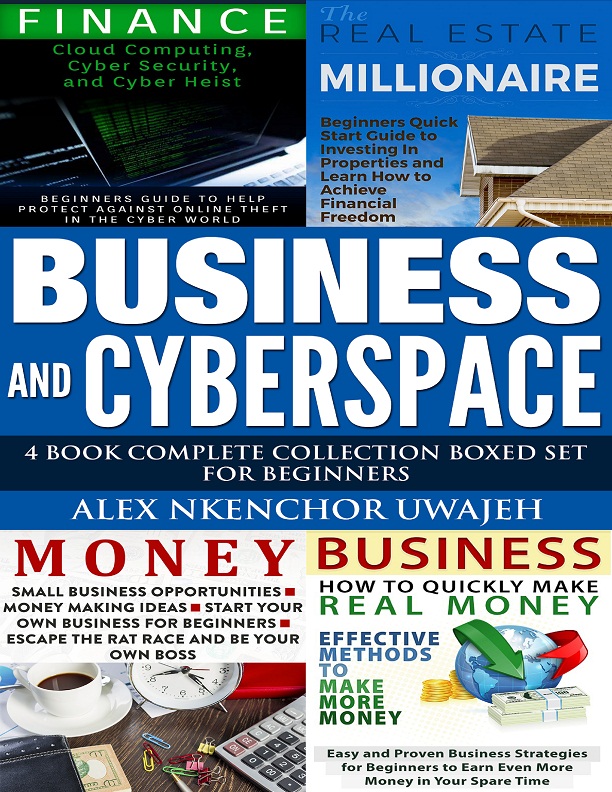

Browse my Google Playstore Books
Want Audible Audio Books? Start Listening Now, 30 Days Free